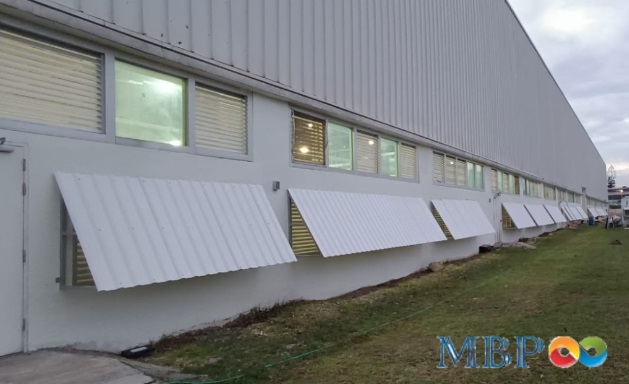
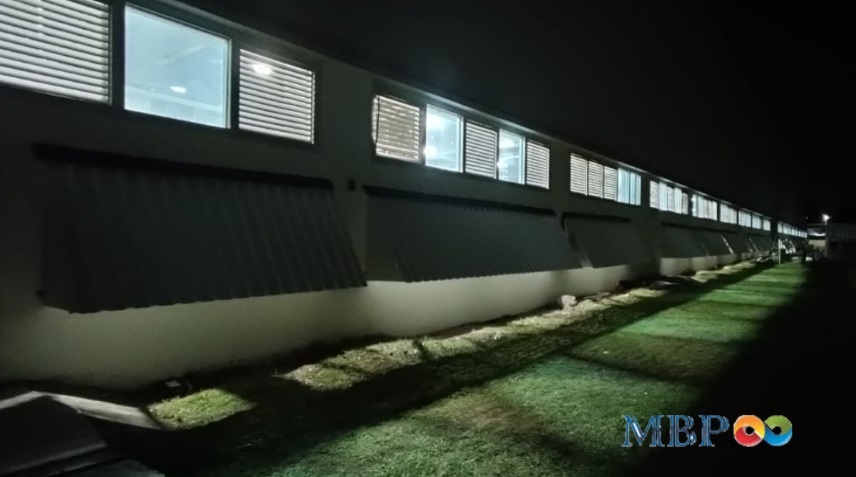
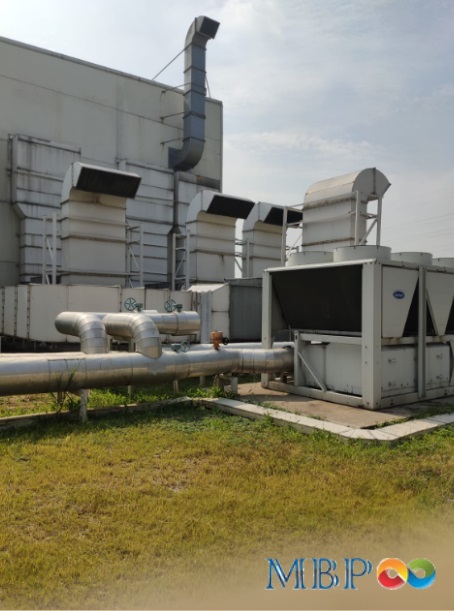
Air intake for buildings refers to the process of bringing fresh air from the outside into a building’s ventilation system. The purpose of air intake is to maintain healthy indoor air quality by removing stale, polluted air and replacing it with fresh outdoor air.
The air intake for buildings can be achieved in several ways, depending on the building’s design and ventilation system. Some buildings may use natural ventilation, such as windows or vents, to allow fresh air in. Other buildings may use mechanical ventilation systems, which draw in fresh air from the outside and distribute it throughout the building.
Air intake for buildings is important for several reasons. Fresh air helps to dilute and remove indoor pollutants such as volatile organic compounds (VOCs), carbon monoxide, and other harmful substances that can accumulate in indoor spaces. It also helps to regulate temperature and humidity levels, which can affect occupant comfort and health.
Proper design, installation, and maintenance of air intake systems are essential to ensure effective and efficient ventilation in buildings. Building codes and standards often provide guidelines for air intake rates and quality to ensure that indoor air quality is maintained at a safe and healthy level.